
Many individuals approach creative journaling with the best intentions, only to find themselves stalled by a blank page or an overwhelming sense of needing to produce something "good." This common barrier, often rooted in perfectionism or a misunderstanding of the practice's purpose, prevents the very exploration and self-expression creative journaling is meant to foster. The core challenge is not a lack of creativity, but an excess of self-imposed pressure. This guide focuses on dismantling that pressure, offering concrete, actionable methods to initiate a journaling practice that prioritizes process over product, making it accessible and sustainable for anyone.
Understanding Creative Journaling's Core Principles
Beyond Daily Entries: What Makes it 'Creative'?
Creative journaling distinguishes itself from a traditional diary by shifting focus from mere chronological record-keeping to exploratory expression. It's less about documenting facts and more about engaging with ideas, emotions, and observations through diverse, often non-linear, means. This can involve writing, sketching, collaging, painting, or any combination, without adherence to conventional artistic rules. The "creative" aspect lies in the freedom to experiment, to process thoughts visually or abstractly, and to allow for messiness and imperfection. The journal becomes a private laboratory for ideas, not a polished exhibit.
Why Overthinking Happens (And How to Spot It)
Overthinking in creative journaling typically stems from externalizing an internal process. Individuals might compare their potential output to elaborate examples seen online, leading to a fear of not being "artistic enough" or not having profound enough thoughts. This perfectionism manifests as blank page paralysis, where the fear of making a "wrong" mark prevents any mark from being made. Another sign is the accumulation of expensive, unused supplies, driven by the belief that the right tools will magically unlock creativity, rather than simply enabling it. Overthinking transforms a personal, introspective activity into a performance, even if the audience is only oneself.
Minimalist Approaches to Kickstart Your Practice
The "Five-Minute Free-Write" Rule
This technique directly confronts blank page anxiety by imposing a strict time limit and a single directive: write continuously without stopping or editing. Set a timer for five minutes and simply let your pen move across the page, capturing whatever comes to mind, no matter how disjointed or trivial. The goal is not coherence or literary merit, but momentum.
Benefit: This method bypasses the internal editor, which is often the source of overthinking. By removing the pressure to produce quality content, it allows for an unfiltered flow of consciousness, demonstrating that the act of creation is possible and accessible.
Single-Prompt Exploration
Instead of facing an empty page with infinite possibilities, narrow your focus dramatically. Choose one simple word, phrase, or image as your sole starting point. Examples include "blue," "memory," "sound," or a picture from a magazine. Spend your journaling time exploring only that prompt, allowing it to branch into thoughts, sketches, or associations.
Benefit: Providing a specific, limited constraint paradoxically liberates creativity. It eliminates decision fatigue and directs your energy towards depth within a narrow scope, preventing your mind from wandering into overwhelming territory.
Limited Toolset Engagement
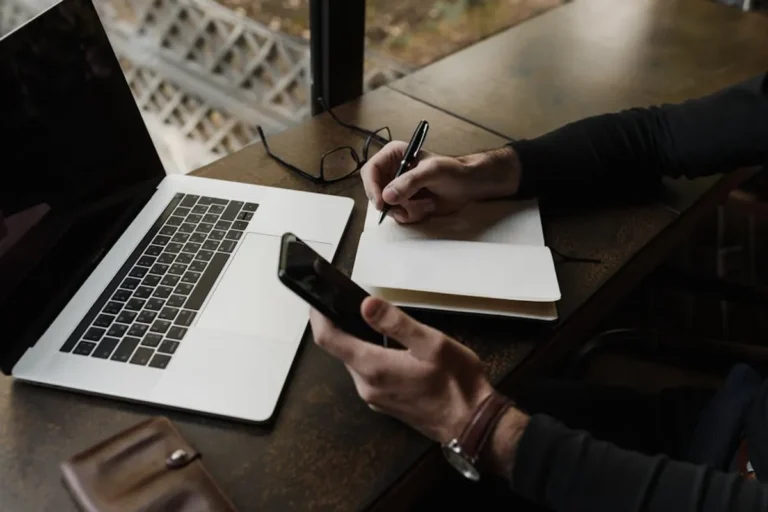
Resist the urge to gather a vast array of art supplies. For your initial sessions, commit to using only 1-3 simple items. This could be a single pen and a notebook, one colored pencil, or a basic set of collage scraps. The fewer choices you have, the less time and mental energy you spend deliberating over materials.
Benefit: This approach reduces cognitive load and redirects attention from the aesthetics of the tools to the act of expression itself. It reinforces the idea that profound creative work doesn't require elaborate resources, only engagement.
Practical Strategies for Sustained, Low-Pressure Engagement
Embrace Imperfection as a Feature
Reframe your understanding of what constitutes "good" in creative journaling. The practice is fundamentally about process and exploration, not about creating a finished product for external validation. Every smudge, crossed-out word, or wonky drawing is a record of your thought process, not a flaw. Consider labeling pages "draft," "experiment," or "messy thoughts" to explicitly lower the stakes for yourself. This internal permission is crucial for fostering a judgment-free zone.
Integrate Journaling into Existing Routines
To ensure consistency without feeling like an added burden, weave your journaling practice into an established part of your day. This could mean journaling for five minutes while your morning coffee brews, during a lunch break, or as a wind-down activity before bed. The key is to piggyback on an existing habit, reducing the mental effort required to start.
Benefit: Habit stacking minimizes resistance by making the new activity feel less like an extra task and more like a natural extension of an already familiar sequence.
Curate Your Inspiration, Not Your Output
Actively collect prompts, ideas, quotes, or images that resonate with you, but do so without the immediate pressure to use them. Keep a separate, non-journaling space (a digital note, a small box) for these inspirations. This provides a wellspring of potential starting points for future sessions without demanding instant creative application.
Avoid: Excessive consumption of highly curated, aesthetically perfect journals on social media if it triggers comparison or feelings of inadequacy. Focus on internal inspiration and personal resonance.
Pro Tip: Your journal is a private space for unfiltered thought and experimentation. The moment you start thinking about how a page "looks" or how it might be perceived by others, you're inviting overthinking back into the process. Actively remind yourself that this space is solely for your benefit, free from external judgment or aesthetic standards.
Here are some simple, low-pressure prompts to get you started:
- List five things you heard today, then write a sentence about each.
- Draw the feeling of "anticipation" without using recognizable objects.
- Write a short, unsent letter to your past self.
- Describe the color red to someone who has never seen it, without using the word "red."
- Complete the sentence: "What if all the trees could talk...?"
Moving Beyond the Blank Page: Actionable Steps
The most effective way to overcome overthinking in creative journaling is to prioritize action over perfection. Commit to a short, consistent duration—even if it's just five minutes daily—rather than aiming for lengthy, infrequent sessions. Focus on the physical act of putting pen to paper or making a mark, understanding that the value is in the process itself, not in the quality of the immediate output. This iterative, low-stakes approach builds momentum and confidence, gradually dismantling the mental barriers that prevent creative flow.
Cultivating Your Unfiltered Space
Creative journaling thrives in an environment free from self-censorship and external expectations. By adopting minimalist approaches, integrating the practice into existing routines, and actively embracing imperfection, you transform the journal from a potential source of anxiety into a reliable sanctuary for self-expression. The true "creativity" emerges not from artistic skill, but from the uninhibited freedom to explore, question, and simply be present with your thoughts and emotions. This personal, judgment-free zone is a powerful tool for self-discovery and stress reduction, accessible to anyone willing to start small and let go of the need for perfection.
Frequently Asked Questions
What if I don't feel "creative enough" to start?
The feeling of not being "creative enough" is a common form of overthinking. Creative journaling doesn't require artistic talent or profound insights; it only requires a willingness to engage. Start with simple actions like scribbling, making lists, or drawing basic shapes. The act of doing itself cultivates creativity, rather than demanding it as a prerequisite.
How often should I journal for it to be effective?
Consistency is more valuable than duration. Aim for short, regular sessions—even 5-10 minutes daily—rather than infrequent, long ones. This builds a habit and keeps the practice low-pressure. If daily isn't feasible, committing to 2-3 times a week is also effective.
What kind of journal and pens should I use?
Begin with the simplest, most accessible tools you have. A basic notebook and any pen you enjoy writing with are perfectly sufficient. Avoid investing in expensive or specialized supplies initially, as this can inadvertently increase pressure to produce "worthy" content. The focus should be on the content, not the container.
Is it okay to skip days or weeks?
Absolutely. Life happens, and skipping days is a natural part of any practice. The key is to resume without judgment or guilt. There's no "right" way to maintain a journal, and allowing for breaks prevents the practice from feeling like a chore, ensuring its long-term sustainability.