
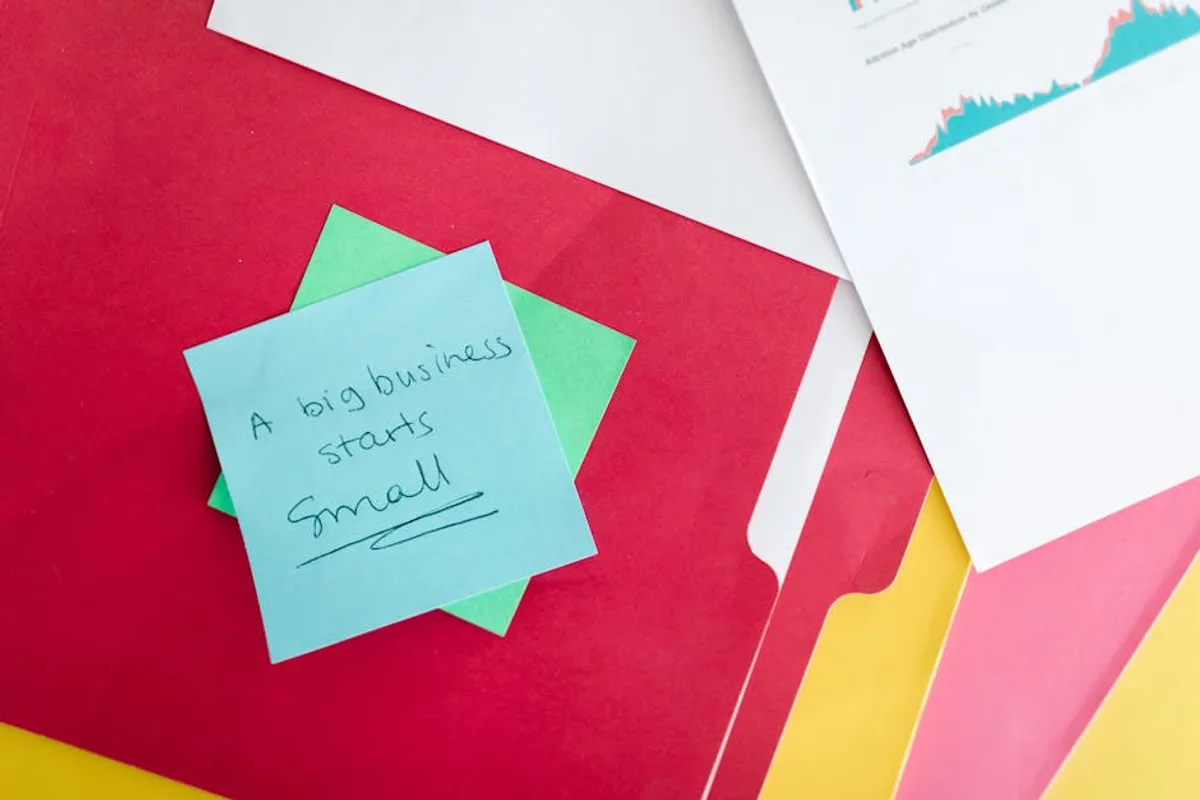
The concept of "slow living" often conjures images of rustic retreats or radical career shifts, leading many to dismiss it as an impractical ideal. For professionals navigating demanding schedules, the thought of adopting a new philosophy can trigger analysis paralysis, making the pursuit of a more intentional life feel like another overwhelming project. However, slow living, at its core, is a strategic approach to intentionality, not an escape from responsibility. It offers a framework for reducing decision fatigue, enhancing focus, and cultivating sustained well-being, all without the need for drastic upheaval or endless deliberation. The key lies in understanding its practical application and initiating change through small, deliberate actions rather than grand, intimidating overhauls.
Defining Slow Living: Intentionality, Not Inaction
Slow living is not about doing everything slowly, nor is it about abandoning ambition or productivity. It is fundamentally about conscious choice and aligning daily actions with core values. Instead of reacting to external pressures, slow living encourages a proactive stance, allowing individuals to reclaim agency over their time, attention, and resources. This means prioritizing quality over quantity, presence over distraction, and purpose over pace. For professionals, this translates into making deliberate choices about projects, communication, and personal boundaries, ultimately fostering a more sustainable and fulfilling engagement with work and life.
Common misconceptions that lead to overthinking:
- It requires quitting your job or moving to the countryside.
- It means being unproductive or less ambitious.
- It demands a complete overhaul of your current lifestyle.
- It's a luxury only available to those with ample free time and resources.
Dispelling these myths is the first step toward embracing a practical slow living approach. It's an internal shift in mindset, not necessarily an external change in circumstances.
Identifying Your Core Intentions
Before implementing any changes, clarify what "slow living" means for you personally and professionally. Overthinking often stems from a lack of clear objectives. By defining your "why," you establish a guiding principle that simplifies decision-making and reduces the need for extensive analysis. Consider which areas of your life feel most overwhelming or out of alignment. Is it constant digital distraction, a cluttered schedule, or a feeling of always being rushed?
To identify your intentions, ask:
- What specific stressors do I want to reduce? (e.g., email overload, constant notifications, back-to-back meetings)
- What values do I want to prioritize? (e.g., deep work, creative thinking, family time, personal growth)
- What does a day feel like when I am truly present and focused?
These answers provide concrete targets, making the transition to slow living less abstract and more actionable.
Practical Entry Points: Small Steps, Big Impact
The most effective way to start slow living without overthinking is to choose one or two small, manageable areas for change. Avoid the temptation to plan a comprehensive transformation. Incremental adjustments are less daunting and more sustainable, building momentum through achievable successes.
Digital Decluttering and Intentional Consumption
For many professionals, digital overload is a primary source of distraction and mental clutter. Begin by auditing your digital habits.
- Notification Management: Disable non-essential notifications on all devices. Batch email checks to specific times rather than constant monitoring.
- App Audit: Delete unused apps. Organize essential apps into folders to reduce visual noise.
- Information Diet: Unsubscribe from newsletters you don't read. Curate social media feeds to follow only sources that genuinely add value or inspiration, not just noise.
- Screen Time Limits: Utilize device settings to monitor and limit usage for non-essential apps, particularly outside of work hours.
Reclaiming Time and Attention
Time management in a slow living context shifts from merely fitting more in to strategically creating space for what matters.
- Boundary Setting: Clearly define work hours and communicate them. Avoid checking work communications outside these times.
- Single-Tasking: Dedicate specific blocks of time to one task, closing all other tabs and applications. This enhances focus and reduces errors.
- Strategic "No": Learn to decline requests that do not align with your core intentions or priorities. This protects your time and energy for high-value activities.
Pro Tip: Implement a "one-in, one-out" rule for new commitments. Before agreeing to a new project or social engagement, identify an existing commitment you can reduce or eliminate. This prevents over-scheduling and maintains balance.
Simplifying Daily Routines
Streamlining repetitive tasks frees up mental bandwidth and reduces decision fatigue.
- Morning/Evening Rituals: Establish consistent, simple routines that bookend your day. This could be a 15-minute quiet period before checking email, or preparing clothes for the next day.
- Decision Automation: Automate recurring tasks where possible (e.g., bill payments, meal planning basics). Reduce the number of small decisions you need to make daily.
- Physical Declutter: A tidy workspace contributes to mental clarity. Take 10 minutes at the end of each day to organize your immediate surroundings.
Embracing Iteration, Not Perfection
The biggest barrier to starting slow living without overthinking is the pursuit of an ideal state. Slow living is an ongoing practice, not a destination. Expect setbacks and adjust your approach as you learn what works best for you. The goal is consistent progress, not flawless execution. Each small adjustment contributes to a cumulative shift towards a more intentional and less overwhelming existence.
Sustaining the Pace: Reflection and Adjustment
To ensure your slow living practices endure, build in moments for reflection. Regularly assess what is working, what isn't, and how your priorities might have shifted. This iterative process prevents stagnation and allows your approach to evolve with your needs.
Consider a weekly check-in:
- What moments did I feel most present and focused this week?
- What distractions pulled me away from my intentions?
- Are there any small adjustments I can make next week to improve?
This reflective practice reinforces the intentionality of slow living, ensuring it remains a dynamic and supportive framework rather than a rigid set of rules.
Cultivating Intentionality, One Step at a Time
Starting slow living without overthinking means prioritizing action over analysis. It's about choosing one small area to simplify, one digital distraction to eliminate, or one moment to be truly present. For professionals, this isn't about escaping the demands of modern life, but rather about engaging with them more effectively and sustainably. By focusing on intentionality in manageable increments, you can build a foundation for greater clarity, reduced stress, and enhanced overall well-being, proving that a more deliberate pace is not only possible but strategically advantageous.
Frequently Asked Questions
Does slow living mean being less productive or ambitious?
No, slow living is about intentional productivity. It encourages focusing on high-value tasks, deep work, and aligning efforts with core goals, which can actually lead to higher quality output and more sustainable ambition by reducing burnout.
How can I start if my schedule is already overwhelming?
Begin with the smallest possible change. Choose one digital notification to silence, one non-essential subscription to cancel, or dedicate just five minutes each morning to quiet reflection before engaging with your devices. Small, consistent actions build momentum without adding to existing stress.
Is slow living only for people with flexible jobs or ample free time?
Slow living is a mindset applicable to any lifestyle. It's about making conscious choices within your existing constraints. Even in demanding roles, setting boundaries, practicing single-tasking, and curating your digital environment are achievable steps that enhance intentionality.
Do I need to make major lifestyle changes to practice slow living?
Major changes are not a prerequisite. Slow living emphasizes gradual, sustainable adjustments. Focus on small, daily shifts in habits and mindset rather than attempting a complete overhaul. The cumulative effect of minor changes often leads to significant improvements over time.



