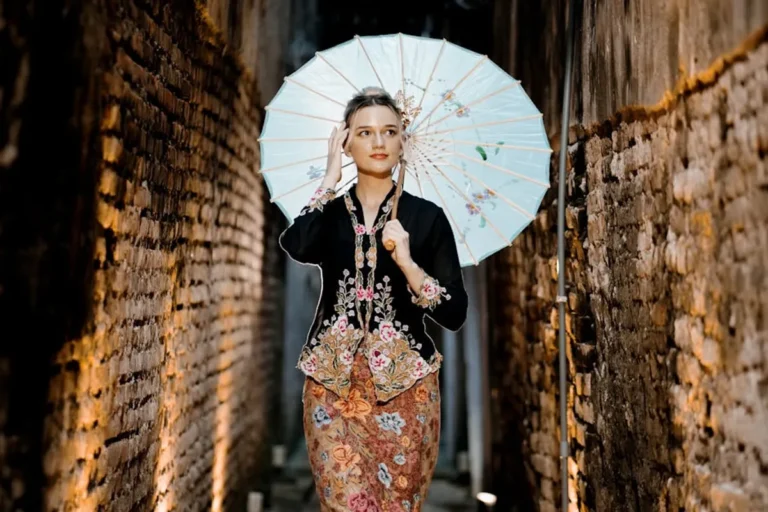

Incorporating specific color palettes into a wardrobe requires understanding not just the hues themselves, but also their inherent versatility, the moods they convey, and how they integrate into various style contexts. Warna earth tone, encompassing a spectrum of natural colors derived from landscapes, minerals, and organic elements, offers a foundation for building cohesive, sophisticated, and enduring looks. This guide details the core principles of earth tone styling, explores current trends, and provides actionable outfit ideas to leverage these colors effectively across different occasions and seasons.
Defining Warna Earth Tone in Fashion
Warna earth tone refers to a broad family of colors inspired by nature. These are not bright, saturated hues, but rather muted, grounded shades that evoke a sense of calm, stability, and organic connection. Think of the colors found in soil, rocks, trees, and natural fibers. This palette typically includes shades of brown, beige, cream, olive green, terracotta, rust, mustard yellow, and various muted grays and blues. Their intrinsic natural quality makes them inherently compatible with one another, simplifying the process of mixing and matching.
The appeal of earth tones lies in their timelessness and adaptability. Unlike seasonal trend colors that can quickly become dated, earth tones possess a classic quality that transcends fleeting fads. They serve as excellent neutrals, providing a sophisticated backdrop for bolder accessories or patterns, or standing alone for a minimalist aesthetic. Their subdued nature also makes them universally flattering, as they tend to complement a wide range of skin tones without overpowering the wearer.
Core Earth Tone Palettes and Their Application
While earth tones are a cohesive family, they can be broadly categorized into warmer, cooler, and neutral sub-palettes, each offering distinct styling opportunities.
Warm Earth Tones
These hues carry yellow, orange, or red undertones, radiating comfort and richness.
- Terracotta and Rust: Deep, reddish-browns and burnt oranges. Ideal for adding warmth and a touch of bohemian or artisanal flair.
- Mustard and Ochre: Muted, earthy yellows. Excellent for injecting a subtle pop of color without being overly bright.
- Olive and Khaki Green: Versatile greens with yellow or brown undertones. Foundation colors for utilitarian, safari, or casual styles.
Best for: Creating inviting, cozy, or rustic ensembles, particularly effective in autumn and winter or for outdoor-inspired looks.
Cool Earth Tones
These shades incorporate blue, gray, or purple undertones, offering a sense of calm and understated elegance.
- Sage Green: A soft, muted green with gray undertones. Conveys tranquility and modernity, pairing well with other cool neutrals.
- Dusty Blue: A subdued, muted blue. Offers a gentle alternative to navy, suitable for sophisticated casual or business casual settings.
- Mushroom Gray and Taupe: Blends of gray and brown. Highly versatile neutrals that provide a sophisticated base for any outfit.
Best for: Building sleek, contemporary, or minimalist wardrobes; often preferred for spring and summer or for creating a serene aesthetic.
Neutral Earth Tones
These are the foundational shades that bridge warm and cool palettes, offering maximum flexibility.
- Beige and Cream: Light, warm-toned neutrals. Essential for creating airy, elegant, and monochromatic looks.
- Sand and Stone: Mid-tone neutrals, often with subtle gray or yellow casts. Provide a solid base for layering and texture play.
Best for: Establishing a versatile core wardrobe, facilitating easy mixing with both warm and cool accents, and achieving a refined, understated appearance.
Pro Tip: To prevent earth tone outfits from appearing monotonous, prioritize texture and proportion. Combine different fabric finishes—matte linen with chunky knit, smooth silk with structured corduroy—to add visual interest. Experiment with varying garment lengths and silhouettes to create dynamic, layered looks rather than relying solely on color contrast.
Current Trends in Warna Earth Tone Styling
Contemporary fashion often reinterprets earth tones through specific trends:
Monochromatic Layering: Building an entire outfit using varying shades and textures of a single earth tone, such as a beige linen shirt, a cream knit sweater, and sand-colored trousers. This creates a sophisticated, elongated silhouette.
Utility and Workwear: Earthy greens, browns, and khakis are central to the resurgence of utility-inspired clothing, featuring practical pockets, durable fabrics, and relaxed fits in jumpsuits, cargo pants, and overshirts.
Soft Tailoring: Relaxed blazers, wide-leg trousers, and flowing skirts in muted earth tones like taupe, sage, and oat. This trend emphasizes comfort without sacrificing polish, suitable for both office and elevated casual wear.
Natural Fabrics Focus: An emphasis on materials like organic cotton, linen, hemp, and wool in their natural, undyed, or earth-toned states. This aligns with sustainability trends and enhances the organic feel of the palette.
Versatile Outfit Ideas with Warna Earth Tone
Here are specific ways to integrate earth tones into various looks:
- Casual Weekend: Pair an olive green oversized sweater with light beige wide-leg trousers and white sneakers. Add a canvas tote bag for a relaxed, comfortable ensemble.
- Business Casual: Combine a cream silk blouse with tailored rust-colored trousers and brown leather loafers. A structured beige blazer can complete this professional yet approachable look.
- Elevated Evening: A flowing terracotta maxi dress in a satin finish, accessorized with gold jewelry and nude heels. This creates an elegant, understated statement.
- Layered Autumn Look: Start with a white t-shirt, add a chunky knit cardigan in mustard yellow, dark brown corduroy pants, and ankle boots. Finish with a camel-colored wool coat.
- Summer Resort Wear: A linen blend shirt in sand color, paired with matching linen shorts or trousers. Accessorize with a straw hat and espadrilles for a cohesive, breezy outfit.
Maximizing Your Earth Tone Wardrobe
To truly harness the power of warna earth tone, consider these practical steps:
First, identify which earth tone sub-palettes best complement your personal coloring and existing wardrobe. While all earth tones are versatile, some shades will inherently feel more natural or flattering on you. Begin by investing in core pieces like trousers, skirts, blazers, and knitwear in neutral earth tones (beige, taupe, mushroom gray) as these form the backbone of any versatile wardrobe. Gradually introduce warmer or cooler earth tones through shirts, accessories, or statement pieces. Pay attention to fabric quality; the understated nature of earth tones means that material finish and drape become more prominent. High-quality natural fibers tend to look richer and hold their shape better, enhancing the sophisticated appeal of the palette. Finally, remember that earth tones provide an excellent canvas for pops of color or prints. A vibrant scarf, a patterned handbag, or a piece of statement jewelry can easily elevate an otherwise monochromatic earth tone outfit without clashing.
Frequently Asked Questions
Q: Are earth tones suitable for all seasons?
A: Yes, earth tones are highly versatile. Lighter, cooler shades like sand, sage, and dusty blue are excellent for spring and summer, while richer, warmer tones like rust, olive, and terracotta are perfect for autumn and winter.
Q: How can I avoid my earth tone outfits looking dull?
A: Focus on texture, layering, and varied silhouettes. Mix different fabrics like silk, wool, linen, and denim. Add accessories with contrasting textures or subtle metallic accents. Incorporate one brighter, complementary color if desired.
Q: Can I mix warm and cool earth tones in one outfit?
A: Absolutely. Mixing warm and cool earth tones, such as an olive green top with beige trousers, creates depth and visual interest. The key is to ensure the shades have a similar level of saturation or mutedness for a harmonious look.
Q: What colors pair well with earth tones?
A: Earth tones pair naturally with each other. They also harmonize well with classic neutrals like white, black, and navy. For accent colors, consider deep blues, muted purples, or even soft pastels to add contrast without overpowering the earthy foundation.