
Home inspiration, often perceived as purely aesthetic, carries significant commercial utility for individuals seeking to optimize their daily lives. The concept extends beyond visual appeal, functioning as a strategic framework for cultivating environments that directly influence habit formation and routine adherence. For marketers and content creators, understanding this connection provides a valuable lens through which to develop products, services, and content that address a fundamental user need: creating a supportive physical space that naturally guides behavior towards desired outcomes.
Defining 'Home Inspiration' as a Routine Catalyst
True home inspiration, in the context of building a better routine, moves beyond Pinterest boards and magazine spreads. It is the deliberate arrangement of a living space to serve as a functional ecosystem that cues specific behaviors, minimizes friction, and reinforces positive habits. This involves considering not just what looks good, but what actively supports mental clarity, reduces decision fatigue, and encourages consistency in daily tasks.
The Role of Visual Cues in Habit Stacking
The visual landscape of a home acts as a powerful, often subconscious, set of prompts. By strategically placing items or organizing areas, individuals can create "habit triggers" that initiate subsequent actions. For example, a dedicated coffee station with all necessary components visible can streamline a morning routine, making the act of preparing coffee a consistent, low-effort start to the day. Similarly, placing workout clothes prominently near the bedroom door can serve as a visual cue to exercise, reducing the mental barrier to starting a fitness routine. This principle, known as habit stacking, leverages existing habits or environmental cues to initiate new, desired behaviors.
Cultivating a Mindful Environment for Focus and Calm
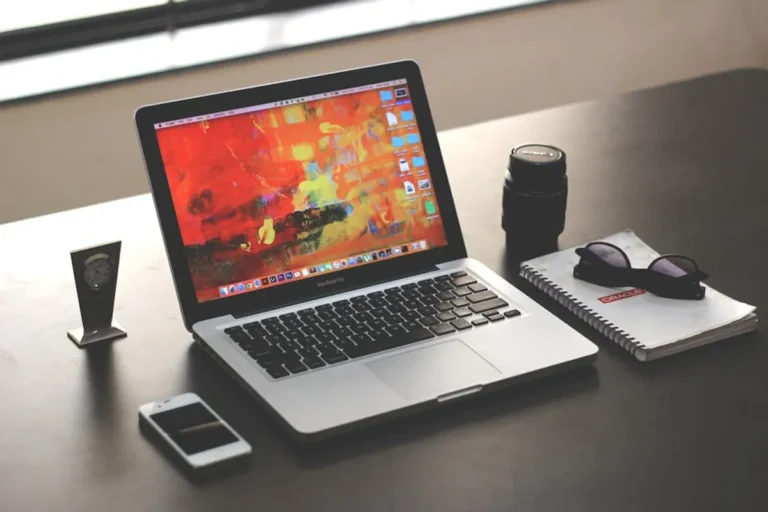
An inspiring home environment also supports routines by fostering specific mental states. A decluttered workspace, optimized for natural light and minimal distractions, directly enhances focus for work or study routines. Conversely, a bedroom designed for calm—with soft lighting, comfortable bedding, and minimal electronics—cues relaxation and prepares the mind for a consistent sleep routine. The deliberate choice of colors, textures, and even scents can impact mood and energy levels, making it easier to engage in activities requiring concentration or rest. This intentional design reduces cognitive load, allowing more mental energy to be directed towards routine execution rather than battling environmental resistance.
Translating Inspiration into Actionable Routines
The bridge between an inspiring idea and its practical application lies in designing the home environment to actively facilitate routine execution. This involves a shift from passive admiration of beautiful spaces to active manipulation of physical surroundings to serve behavioral goals.
Designing Zones for Specific Activities
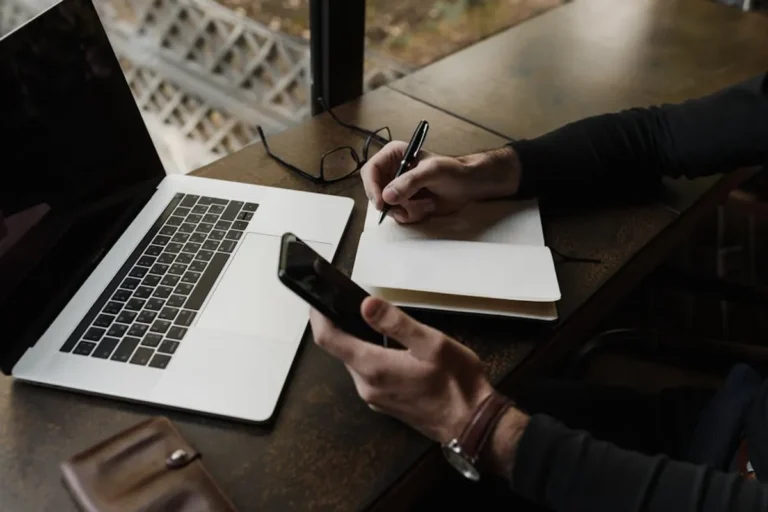
Creating distinct "zones" within a home, even if they are small or multi-purpose, helps to compartmentalize activities and reduce cognitive friction. A corner dedicated to reading, a specific desk for creative work, or a designated area for meal preparation each signal a particular activity. This spatial separation helps the brain transition between tasks more smoothly, making it easier to start and complete routine-based activities. For instance, having a specific "launchpad" by the door for keys, wallet, and phone reduces the mental effort of preparing to leave, streamlining an often chaotic morning departure routine.
Integrating Personal Values into Your Living Space
When the home environment reflects personal values, it inherently becomes more inspiring and motivating. If health is a core value, a well-stocked, organized pantry and a clear space for home workouts reinforce that commitment daily. For those prioritizing creativity, an accessible art station or a dedicated music corner serves as a constant invitation to engage in those routines. Aligning decor, organization, and functional setup with personal values provides a continuous, subtle reminder of one's goals, strengthening the intrinsic motivation to maintain routines that support those values.
Pro Tip: When integrating home inspiration with routine building, start small. Focus on optimizing one specific area for a single routine you wish to establish or improve. For instance, dedicate 15 minutes to decluttering your bedside table to support a better evening wind-down routine. Small, consistent environmental adjustments yield more sustainable behavioral changes than attempting a complete home overhaul at once.
Practical Steps for Infusing Inspiration into Your Home
Implementing home inspiration for routine building does not require extensive renovations or significant financial outlay. It emphasizes thoughtful organization and strategic placement.
- Declutter Strategically: Remove items that do not serve a purpose or bring joy. Less visual noise reduces mental clutter, making it easier to focus on tasks and routines.
- Optimize Lighting: Utilize natural light where possible. Supplement with task lighting for workspaces and soft, warm lighting for relaxation zones to cue appropriate moods for different routines.
- Incorporate Nature: Adding plants or natural elements can improve air quality and provide a sense of calm, supporting routines like meditation or focused work.
- Create "Routine Stations": Designate small areas for specific routines, such as a hydration station near your desk, a morning stretch mat in a clear corner, or a charging station for devices away from the bedroom.
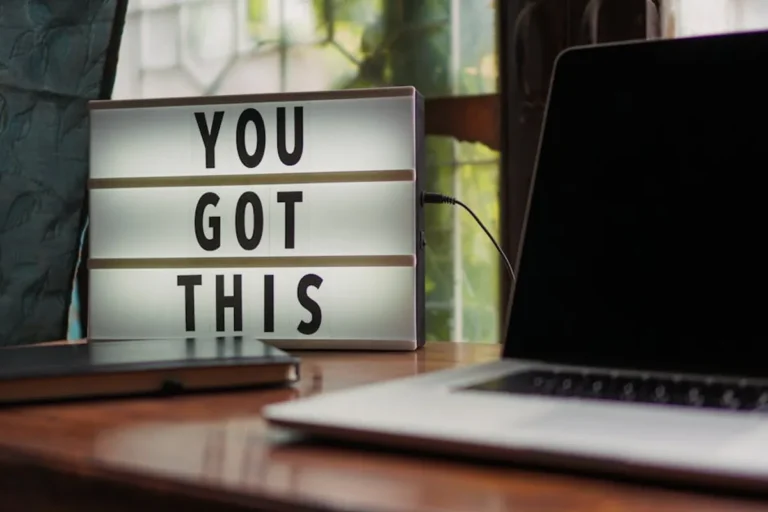
- Personalize Meaningfully: Display items that evoke positive emotions or remind you of your goals, reinforcing motivation for your routines. This could be a vision board, a cherished photo, or a piece of art.
- Establish Clear Storage: Ensure every item has a designated home. This reduces time spent searching and makes tidying a part of the routine, rather than a separate, daunting task.
Cultivating Sustainable Habits Through Environmental Design
The commercial relevance of home inspiration for routine building lies in its capacity to offer tangible solutions for a widespread challenge: maintaining consistency. By framing the home as an active partner in habit formation, individuals gain a powerful, always-on support system for their goals. This approach shifts the burden from sheer willpower to environmental design, making desired routines feel more natural, less effortful, and ultimately, more sustainable. For brands and content creators, this means opportunities to develop products, services, and educational content that directly address the intersection of home environment and personal productivity, offering practical, actionable pathways to a more organized and routine-driven life.
Frequently Asked Questions
What is home inspiration in the context of routines?
In this context, home inspiration refers to the deliberate design and organization of your living space to actively support and cue specific daily habits and routines, rather than solely focusing on aesthetics.
How does decluttering specifically help with routines?
Decluttering reduces visual and mental distractions, making it easier to focus on tasks. It also streamlines access to necessary items, reducing the friction and time involved in starting or completing a routine.
Can home inspiration help with specific types of routines (e.g., morning, work)?
Yes, by designing specific zones and cues, home inspiration can significantly aid morning routines (e.g., a coffee station), work routines (e.g., a dedicated, organized desk), and evening routines (e.g., a calm, device-free bedroom).
Is it expensive to create an inspiring home environment for routines?
No, many effective strategies, such as decluttering, reorganizing existing items, optimizing natural light, or adding a few plants, are low-cost or free. The focus is on strategic arrangement and functionality, not expensive purchases.